Catégories

Documents disponibles dans cette catégorie (10)


 Affiner la recherche Interroger des sources externes
Titre : Agricultural Botany : Theoretical and Practical Type de document : texte imprimé Auteurs : Zboncak Jedediah, Auteur Editeur : ETP (ED - TECH PRESS) Année de publication : 2025 Importance : 299 pages Format : 26 x 18 cm ISBN/ISSN/EAN : 978-1-83535-746-0 Note générale : Pour le sommaire voir le fichier joint ci-dessous en format pdf Langues : Anglais (eng) Catégories : Plantes. Botanique Index. décimale : 580 - Plantes. Botanique Résumé : Botany is the branch of biology that deals with the study of plants. It is one of the oldest branches of biology. There are several different branches of botany, including ethnobotany. Agriculture is the practice of raising food for consumption, with most farming in developed countries done by large multinational corporations. The history of agriculture is as old as the history of human civilization. It wasn't until humans learned to plant crops that we were able to move from being hunter/gatherers to forming permanent villages. One of the oldest crops produced is wheat, with early varieties providing the seeds that we needed to make flour and then turn that into bread. Botanists also study how plants produce food we can eat and how to increase yields and therefore their work is important in mankindís ability to feed the world and provide food security for future generations, for example through plant breeding. Botanists also study weeds, plants which are considered to be a nuisance in a particular location. Weeds are a considerable problem in agriculture, and botany provides some of the basic science used to understand how to minimize ëweedí impact in agriculture and native ecosystems. Ethnobotany is the study of the relationships between plants and people. Leaves today are, in almost all instances, an adaptation to increase the amount of sunlight that can be captured for photosynthesis. Leaves certainly evolved more than once, and probably originated as spiny outgrowths to protect early plants from herbivory. The book has been written in simple English & short format. This will be useful for student can easily understand the subject in both undergraduate and post graduate level. Agricultural Botany : Theoretical and Practical [texte imprimé] / Zboncak Jedediah, Auteur . - ETP (ED - TECH PRESS), 2025 . - 299 pages ; 26 x 18 cm.
ISBN : 978-1-83535-746-0
Pour le sommaire voir le fichier joint ci-dessous en format pdf
Langues : Anglais (eng)
Catégories : Plantes. Botanique Index. décimale : 580 - Plantes. Botanique Résumé : Botany is the branch of biology that deals with the study of plants. It is one of the oldest branches of biology. There are several different branches of botany, including ethnobotany. Agriculture is the practice of raising food for consumption, with most farming in developed countries done by large multinational corporations. The history of agriculture is as old as the history of human civilization. It wasn't until humans learned to plant crops that we were able to move from being hunter/gatherers to forming permanent villages. One of the oldest crops produced is wheat, with early varieties providing the seeds that we needed to make flour and then turn that into bread. Botanists also study how plants produce food we can eat and how to increase yields and therefore their work is important in mankindís ability to feed the world and provide food security for future generations, for example through plant breeding. Botanists also study weeds, plants which are considered to be a nuisance in a particular location. Weeds are a considerable problem in agriculture, and botany provides some of the basic science used to understand how to minimize ëweedí impact in agriculture and native ecosystems. Ethnobotany is the study of the relationships between plants and people. Leaves today are, in almost all instances, an adaptation to increase the amount of sunlight that can be captured for photosynthesis. Leaves certainly evolved more than once, and probably originated as spiny outgrowths to protect early plants from herbivory. The book has been written in simple English & short format. This will be useful for student can easily understand the subject in both undergraduate and post graduate level. Réservation
Réserver ce document
Exemplaires(1)
Code-barres Cote Support Localisation Section Disponibilité 580-07.1 580-07.1 Livre Bibliothèque FSNV Documentaires Disponible Documents numériques
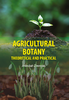
1-_Agricultural_Botany_-_Theoretical_and_Practical_580-07.1.jpgImage Jpeg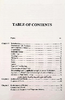
2-_Agricultural_Botany_-_Theoretical_and_Practical_580-07.1.jpgImage Jpeg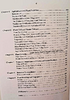
3-_Agricultural_Botany_-_Theoretical_and_Practical_580-07.1.jpgImage Jpeg
Titre : Botanique : Cours et Exercices Corrigés Type de document : texte imprimé Auteurs : Karima TALEB-TOUDERT Editeur : Pages Bleues Internationales Année de publication : 2022 Importance : 330 pages Format : 17 x 24 cm ISBN/ISSN/EAN : 978-9947-34-260-2 Note générale : Pour le sommaire voir le fichier ci-dessous joint Langues : Français (fre) Catégories : Plantes. Botanique Mots-clés : Botanique les cyanobactéries la paroi Linné le chromatoplasme les champignons les lichens les algues les bryophytes cormophytes avasculaires les spermatophytes les plantes à ovules Index. décimale : 580 - Plantes. Botanique Résumé : Pour le Résumé voir le fichier ci-dessous joint Botanique : Cours et Exercices Corrigés [texte imprimé] / Karima TALEB-TOUDERT . - Pages Bleues Internationales, 2022 . - 330 pages ; 17 x 24 cm.
ISBN : 978-9947-34-260-2
Pour le sommaire voir le fichier ci-dessous joint
Langues : Français (fre)
Catégories : Plantes. Botanique Mots-clés : Botanique les cyanobactéries la paroi Linné le chromatoplasme les champignons les lichens les algues les bryophytes cormophytes avasculaires les spermatophytes les plantes à ovules Index. décimale : 580 - Plantes. Botanique Résumé : Pour le Résumé voir le fichier ci-dessous joint Réservation
Réserver ce document
Exemplaires(2)
Code-barres Cote Support Localisation Section Disponibilité 580-09.1 580-09.1 Livre Bibliothèque FSNV Documentaires Disponible 580-09.2 580-09.2 Livre Bibliothèque FSNV Documentaires Disponible Documents numériques
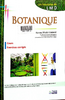
Botanique,_Cours_et_Exercices_Corrigés_580-09.1.jpgImage Jpeg
Resumé1_Botanique,_Cours_et_Exercices_Corrigés_580-09.1.jpgImage Jpeg
Resumé2_Botanique,_Cours_et_Exercices_Corrigés_580-09.1.jpgImage Jpeg
Titre : Examination of Aromatic Plants through Chromatography Type de document : texte imprimé Auteurs : Norman D., Auteur Editeur : ETP (ED - TECH PRESS) Année de publication : 2025 Importance : 268 pages Format : 19 x 27 cm ISBN/ISSN/EAN : 978-1-83535-246-5 Note générale : Table of Contents
Preface .................... ix
Chapter 1: An Introduction to Aromatic Plants 1
• Classification of Aromatherapy ....... 2
• Some Plants used in Aromatherapy . 3
• Essential Oil Safety Issue ............... 8
• Aromatherapy and Traditional Aromatic Plant Medicine in Peru .................. 13
• Steam Distillation of Essential Oils .. 22
• Botany and Aromatherapy .............. 27
• Market Demand of Microbial Based Perfumes and Fragrances ...................... 29
• Microbial Production of Aroma and Fragrance through Solid State Fermentation (SSF) .... 39
Chapter 2: Chromatography: The Laboratory Purification Methods ... 41
• Introduction ........... 41
• History of Chromatography ............ 44
• Chromatographic Methods ............ 47
• Gas Chromatography ..................... 53
• GC Detectors ........ 59
• High Performance Liquid Chromatography ................. 64
• HPLC Instrumentation ................... 66
• HPLC Detectors ... 69
• Ion Chromatography ...................... 71
• Supercritical Fluid Chromatography . 73
• Applications of Chromatography in Environmental Analysis ....................... 75
• Ion-Exchange Chromatography ...... 75
• Gas Chromatography in Instrumentation .................. 78
Chapter 3: Cultivation of Aromatic Plants ....... 84
• Medicinal and Aromatic Plants in Agroforestry ........... 84
• The Cultivation of Medicinal Plants in Agroforestry Systems ......................... 90
• Medicinal Plants and Aromatic Plants ....................... 93
• Patchouli Agrotechnology ............... 99
• Hemidesmus Indicus ..................... 103
• Ornamental Nursery ...................... 105
• Plant Nursery ....... 112
Chapter 4: Basic Theory of Separation in Chromatography ........... 122
• Introductory Theory ....................... 123
• High Performance Liquid Chromatography (HPLC) .... 127
• Paper Chromatography ................... 129
• Separation Theory ........................ 132
• Column Efficiency Calculation ....... 138
• Liquid Chromatography (LC) ......... 140
• High-performance Liquid Chromatography .............. 141
• High Performance Liquid Chromatography (HPLC): Principle, Types, Instrumentation and Applications ...... 157
• Gas Chromatography ..................... 159
Chapter 5: Chromatography for the Analysis of Medicinal Plants .. 164
• Thin-layer Chromatography ............ 164
• Preparation of the Herbal Materials 172
• Plant Materials .... 177
• Herbal Preparations ...................... 182
• Herbal Drugs Chromatographic Fingerprinting ........... 185
• Description of Medicinal Plants ...... 188
Chapter 6: Role of Process Simulation to Extraction Technologies for Medicinal and Aromatic Plants ........... 194
• Introduction ........... 194
• Scanning Electron Microscopy (SEM) Analysis ........ 197
• Using Aromatherapy in your Life ... 198
• Simulated Growth of Plants ............ 201
• Plant Simulation . 202
• Vertical Farming . 205
Chapter 7: Flash and Low Pressure Chromatographic Techniques for Separation of Phytomolecules in Aromatic plants ......... 214
• Introduction ........... 214
• Flash Chromatography: Area and Applications ........... 221
• Column Chromatography ............... 224
• Phytochemical ...... 230
• Phenolic Extraction ...................... 233
• Chromatographic Techniques for Fingerprint Analysis of Herbal Medicines ... 243
• High-Performance Liquid Chromatography .............. 247
• Liquid Chromatography–Mass spectrometry .............. 253
Bibliography .......... 262
Index ....................... 266Langues : Anglais (eng) Catégories : Plantes. Botanique Mots-clés : Aromatic Plants Medicinal Plants Aromatherapy & Essential Oils Phytomolecules & Phytochemicals Herbal Medicine & Preparations Patchouli & Hemidesmus Indicus Gas Chromatography (GC) High Performance Liquid Chromatography (HPLC) Thin-layer Chromatography (TLC) Column & Flash Chromatography Liquid Chromatography–Mass Spectrometry (LC-MS) Ion & Supercritical Fluid Chromatography Chromatographic Fingerprinting Steam Distillation Phenolic Extraction Solid State Fermentation (SSF) Agroforestry & Plant Cultivation Process Simulation & Vertical Farming Scanning Electron Microscopy (SEM) Index. décimale : 580 - Plantes. Botanique Résumé : Description
The examination of secondary compounds, minor plant components that are dispersed very unevenly, is one of the main applications of the analytical methods used for medicinal and aromatic plants. Therefore, proper sample preparation and analyte separation are the primary analytical issues that occur. Chromatography is a method used in laboratories to separate mixtures. The combination passes through a structure containing another substance known as the stationary phase after being dissolved in a fluid known as the mobile phase. The components of the mixture separate because they move at different rates. Based on differential partitioning between the mobile and stationary phases, the separation is achieved. Due to their antioxidant properties and ability to replace added salt in foods, aromatic herbs may help to promote human health. One of the main groups responsible for the beneficial effects of aromatic plants, such as the protection of cancer, cardiovascular, and neurological illnesses, are phenolic chemicals. For analysts, quality assurance specialists, and regulators looking for a thorough instruction on how to utilise HPTLC to verify whether botanicals adhere with current, good manufacturing practises, this book is crucial.Examination of Aromatic Plants through Chromatography [texte imprimé] / Norman D., Auteur . - ETP (ED - TECH PRESS), 2025 . - 268 pages ; 19 x 27 cm.
ISBN : 978-1-83535-246-5
Table of Contents
Preface .................... ix
Chapter 1: An Introduction to Aromatic Plants 1
• Classification of Aromatherapy ....... 2
• Some Plants used in Aromatherapy . 3
• Essential Oil Safety Issue ............... 8
• Aromatherapy and Traditional Aromatic Plant Medicine in Peru .................. 13
• Steam Distillation of Essential Oils .. 22
• Botany and Aromatherapy .............. 27
• Market Demand of Microbial Based Perfumes and Fragrances ...................... 29
• Microbial Production of Aroma and Fragrance through Solid State Fermentation (SSF) .... 39
Chapter 2: Chromatography: The Laboratory Purification Methods ... 41
• Introduction ........... 41
• History of Chromatography ............ 44
• Chromatographic Methods ............ 47
• Gas Chromatography ..................... 53
• GC Detectors ........ 59
• High Performance Liquid Chromatography ................. 64
• HPLC Instrumentation ................... 66
• HPLC Detectors ... 69
• Ion Chromatography ...................... 71
• Supercritical Fluid Chromatography . 73
• Applications of Chromatography in Environmental Analysis ....................... 75
• Ion-Exchange Chromatography ...... 75
• Gas Chromatography in Instrumentation .................. 78
Chapter 3: Cultivation of Aromatic Plants ....... 84
• Medicinal and Aromatic Plants in Agroforestry ........... 84
• The Cultivation of Medicinal Plants in Agroforestry Systems ......................... 90
• Medicinal Plants and Aromatic Plants ....................... 93
• Patchouli Agrotechnology ............... 99
• Hemidesmus Indicus ..................... 103
• Ornamental Nursery ...................... 105
• Plant Nursery ....... 112
Chapter 4: Basic Theory of Separation in Chromatography ........... 122
• Introductory Theory ....................... 123
• High Performance Liquid Chromatography (HPLC) .... 127
• Paper Chromatography ................... 129
• Separation Theory ........................ 132
• Column Efficiency Calculation ....... 138
• Liquid Chromatography (LC) ......... 140
• High-performance Liquid Chromatography .............. 141
• High Performance Liquid Chromatography (HPLC): Principle, Types, Instrumentation and Applications ...... 157
• Gas Chromatography ..................... 159
Chapter 5: Chromatography for the Analysis of Medicinal Plants .. 164
• Thin-layer Chromatography ............ 164
• Preparation of the Herbal Materials 172
• Plant Materials .... 177
• Herbal Preparations ...................... 182
• Herbal Drugs Chromatographic Fingerprinting ........... 185
• Description of Medicinal Plants ...... 188
Chapter 6: Role of Process Simulation to Extraction Technologies for Medicinal and Aromatic Plants ........... 194
• Introduction ........... 194
• Scanning Electron Microscopy (SEM) Analysis ........ 197
• Using Aromatherapy in your Life ... 198
• Simulated Growth of Plants ............ 201
• Plant Simulation . 202
• Vertical Farming . 205
Chapter 7: Flash and Low Pressure Chromatographic Techniques for Separation of Phytomolecules in Aromatic plants ......... 214
• Introduction ........... 214
• Flash Chromatography: Area and Applications ........... 221
• Column Chromatography ............... 224
• Phytochemical ...... 230
• Phenolic Extraction ...................... 233
• Chromatographic Techniques for Fingerprint Analysis of Herbal Medicines ... 243
• High-Performance Liquid Chromatography .............. 247
• Liquid Chromatography–Mass spectrometry .............. 253
Bibliography .......... 262
Index ....................... 266
Langues : Anglais (eng)
Catégories : Plantes. Botanique Mots-clés : Aromatic Plants Medicinal Plants Aromatherapy & Essential Oils Phytomolecules & Phytochemicals Herbal Medicine & Preparations Patchouli & Hemidesmus Indicus Gas Chromatography (GC) High Performance Liquid Chromatography (HPLC) Thin-layer Chromatography (TLC) Column & Flash Chromatography Liquid Chromatography–Mass Spectrometry (LC-MS) Ion & Supercritical Fluid Chromatography Chromatographic Fingerprinting Steam Distillation Phenolic Extraction Solid State Fermentation (SSF) Agroforestry & Plant Cultivation Process Simulation & Vertical Farming Scanning Electron Microscopy (SEM) Index. décimale : 580 - Plantes. Botanique Résumé : Description
The examination of secondary compounds, minor plant components that are dispersed very unevenly, is one of the main applications of the analytical methods used for medicinal and aromatic plants. Therefore, proper sample preparation and analyte separation are the primary analytical issues that occur. Chromatography is a method used in laboratories to separate mixtures. The combination passes through a structure containing another substance known as the stationary phase after being dissolved in a fluid known as the mobile phase. The components of the mixture separate because they move at different rates. Based on differential partitioning between the mobile and stationary phases, the separation is achieved. Due to their antioxidant properties and ability to replace added salt in foods, aromatic herbs may help to promote human health. One of the main groups responsible for the beneficial effects of aromatic plants, such as the protection of cancer, cardiovascular, and neurological illnesses, are phenolic chemicals. For analysts, quality assurance specialists, and regulators looking for a thorough instruction on how to utilise HPTLC to verify whether botanicals adhere with current, good manufacturing practises, this book is crucial.Réservation
Réserver ce document
Exemplaires(1)
Code-barres Cote Support Localisation Section Disponibilité 580-11.1 580-11.1 Livre Bibliothèque FSNV Documentaires Disponible Documents numériques
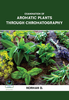
580-11.01_Examination_of_Aromatic_Plants_through_Chromatography.jpgImage Jpeg
Titre : Genetic Engineering Techniques for Plants Type de document : texte imprimé Auteurs : Nipam H. Patel, Auteur Editeur : ETP (ED - TECH PRESS) Année de publication : 2025 Importance : 291 pages Format : 19 x 27 cm ISBN/ISSN/EAN : 978-1-83535-243-4 Note générale : Table of Contents
Preface ........... vii
Chapter 1: Genetic Engineering Techniques: An Overview ............ 1
• History ...... 2
• Choosing Target Genes ............ 17
• Gene Manipulation ... 18
• Inserting DNA into the Host Genome ............ 20
• Gene Targeting ........ 24
Chapter 2: Genetic Variation .... 27
• Among Individuals within A Population .......... 29
• Types of Questions, Markers, and Marker Assays ......... 30
• Guidelines for Selecting Marker Assays ........ 43
• Future Dimensions of Genetic Analysis ....... 46
• Technology Transfer from the Human Genome Project ……. 47
• Present Limitations on Describing Plant Genetic Variation with Molecular Tools …... 49
• Thoughts on the Future ............ 50
Chapter 3: Plant Genetic Resources ..... 51
• Introduction ……. 51
• Plant Genetic Resources Activities …... 64
• Biotechnology and Plant Genetic Resources Conservation 77
Chapter 4: Applications of Quantitative Genetic Theory in Plant Breeding .. 92
• Prediction of the Response to Selection ....... 92
• The Estimation of Quantitative Genetic Parameters ....... 102
• Population Genetic and Quantitative Genetic Effects of Selection Based on Progeny Testing ....... 106
Chapter 5: Transformation of Gene ..... 127
• Introduction .. 127
• History ....... 128
• Definitions ……. 129
• Natural Competence and Transformation ....... 129
• Methods and Mechanisms of Transformation in Laboratory .......... 132
• Practical Aspects of Transformation in Molecular Biology ............ 135
• DNA Transformation . 136
• Bacterial Transformation and Selection ........ 157
• Agrobacterium-Mediated Plant Transformation: The Biology behind the "Gene-Jockeying" Tool ............ 161
• The Mutational Consequences of Plant Transformation ….. 188
• Gene Transfer Methods Applicable to Agricultural Organisms ........ 196
• Methods and Mechanisms for Genetic Manipulation of Plants ....... 222
Chapter 6: Plant Breeding .... 230
• Aim of Plant Breeding 230
• Methods in Plant Breeding ........ 241
• Technique of Cross-breeding .... 251
• Hybriding Plants ......... 260
• Polyploid Breeding .... 276
• Micro-organisms ....... 283
Bibliography ….. 286
Index …289Langues : Anglais (eng) Catégories : Plantes. Botanique Mots-clés : Genetic Engineering & Transformation Genetic Engineering Techniques Gene Manipulation & Targeting DNA Transformation Agrobacterium-Mediated Transformation Gene Transfer Methods Genetic Variation & Resources Genetic Variation & Analysis Molecular Tools & Markers Plant Genetic Resources Conservation Human Genome Project Technology Transfer Plant Breeding & Quantitative Genetics Plant Breeding Methods Quantitative Genetic Theory Cross-breeding & Hybrids Polyploid Breeding Progeny Testing & Selection Index. décimale : 580 - Plantes. Botanique Résumé : Description
Plant genetics has become a fascinating field of study because it has made it possible to manipulate plants' biological systems in ways that have never been possible before. Plant genetics has been used extensively to expand crop fields, enhance crop quality, and lower production costs. New gene combinations with novel properties, including as resistance to pests, diseases, and herbicides, are created by the new transgenic procedures. These transgenic agricultural plants hold significant potential for the future of global agriculture since it is now feasible to create plants that offer components for healthier nutrition, thrive in adverse environments, or create compounds that would otherwise be created through a difficult chemical procedure. An overview of the quickly evolving area of plant genetics and its applications is given in this book. The work has been written in straightforward language to make it simple to understand the intricate concepts of plant genetics. It not only provides the reader with a comprehensive understanding of genetics as a whole, but is also tailored to meet the needs of students studying botany and other related subjects. The book can be used as a reference by researchers and post-doctoral students, university professors, and instructors. It is particularly meant for undergraduates and postgraduates in biology, botany, and biotechnology.Genetic Engineering Techniques for Plants [texte imprimé] / Nipam H. Patel, Auteur . - ETP (ED - TECH PRESS), 2025 . - 291 pages ; 19 x 27 cm.
ISBN : 978-1-83535-243-4
Table of Contents
Preface ........... vii
Chapter 1: Genetic Engineering Techniques: An Overview ............ 1
• History ...... 2
• Choosing Target Genes ............ 17
• Gene Manipulation ... 18
• Inserting DNA into the Host Genome ............ 20
• Gene Targeting ........ 24
Chapter 2: Genetic Variation .... 27
• Among Individuals within A Population .......... 29
• Types of Questions, Markers, and Marker Assays ......... 30
• Guidelines for Selecting Marker Assays ........ 43
• Future Dimensions of Genetic Analysis ....... 46
• Technology Transfer from the Human Genome Project ……. 47
• Present Limitations on Describing Plant Genetic Variation with Molecular Tools …... 49
• Thoughts on the Future ............ 50
Chapter 3: Plant Genetic Resources ..... 51
• Introduction ……. 51
• Plant Genetic Resources Activities …... 64
• Biotechnology and Plant Genetic Resources Conservation 77
Chapter 4: Applications of Quantitative Genetic Theory in Plant Breeding .. 92
• Prediction of the Response to Selection ....... 92
• The Estimation of Quantitative Genetic Parameters ....... 102
• Population Genetic and Quantitative Genetic Effects of Selection Based on Progeny Testing ....... 106
Chapter 5: Transformation of Gene ..... 127
• Introduction .. 127
• History ....... 128
• Definitions ……. 129
• Natural Competence and Transformation ....... 129
• Methods and Mechanisms of Transformation in Laboratory .......... 132
• Practical Aspects of Transformation in Molecular Biology ............ 135
• DNA Transformation . 136
• Bacterial Transformation and Selection ........ 157
• Agrobacterium-Mediated Plant Transformation: The Biology behind the "Gene-Jockeying" Tool ............ 161
• The Mutational Consequences of Plant Transformation ….. 188
• Gene Transfer Methods Applicable to Agricultural Organisms ........ 196
• Methods and Mechanisms for Genetic Manipulation of Plants ....... 222
Chapter 6: Plant Breeding .... 230
• Aim of Plant Breeding 230
• Methods in Plant Breeding ........ 241
• Technique of Cross-breeding .... 251
• Hybriding Plants ......... 260
• Polyploid Breeding .... 276
• Micro-organisms ....... 283
Bibliography ….. 286
Index …289
Langues : Anglais (eng)
Catégories : Plantes. Botanique Mots-clés : Genetic Engineering & Transformation Genetic Engineering Techniques Gene Manipulation & Targeting DNA Transformation Agrobacterium-Mediated Transformation Gene Transfer Methods Genetic Variation & Resources Genetic Variation & Analysis Molecular Tools & Markers Plant Genetic Resources Conservation Human Genome Project Technology Transfer Plant Breeding & Quantitative Genetics Plant Breeding Methods Quantitative Genetic Theory Cross-breeding & Hybrids Polyploid Breeding Progeny Testing & Selection Index. décimale : 580 - Plantes. Botanique Résumé : Description
Plant genetics has become a fascinating field of study because it has made it possible to manipulate plants' biological systems in ways that have never been possible before. Plant genetics has been used extensively to expand crop fields, enhance crop quality, and lower production costs. New gene combinations with novel properties, including as resistance to pests, diseases, and herbicides, are created by the new transgenic procedures. These transgenic agricultural plants hold significant potential for the future of global agriculture since it is now feasible to create plants that offer components for healthier nutrition, thrive in adverse environments, or create compounds that would otherwise be created through a difficult chemical procedure. An overview of the quickly evolving area of plant genetics and its applications is given in this book. The work has been written in straightforward language to make it simple to understand the intricate concepts of plant genetics. It not only provides the reader with a comprehensive understanding of genetics as a whole, but is also tailored to meet the needs of students studying botany and other related subjects. The book can be used as a reference by researchers and post-doctoral students, university professors, and instructors. It is particularly meant for undergraduates and postgraduates in biology, botany, and biotechnology.Réservation
Réserver ce document
Exemplaires(1)
Code-barres Cote Support Localisation Section Disponibilité 580-12.1 580-12.1 Livre Bibliothèque FSNV Documentaires Disponible Documents numériques
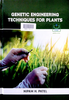
580-12.1_Genetic_Engineering_Techniques_for_Plants.jpgImage Jpeg
Titre : Medicinal Plants and It's Phytochemical Constituents Type de document : texte imprimé Auteurs : J. davidse, Auteur Editeur : ETP (ED - TECH PRESS) Année de publication : 2025 Importance : 265 pages Format : 17 x 24 cm ISBN/ISSN/EAN : 978-1-83535-141-3 Note générale : Table of Contents
Preface ............................................ ix
Chapter 1: Introduction 1
• Quantitative Phytochemical Screening ................................. 1
• Qualitative Analysis of Phytochemical Constituents ............ 2
• Quantitative Analysis on Phytochemical Constituents .......... 5
• Chemicals and Reagents .............. 8
• Phytochemistry ........................... 15
Chapter 2: Phytochemical Techniques ................... 18
• Difference between Cold Extraction and Hot Extraction of Vegetable Oil ................................... 22
• Benefits of Cold Pressed Oil vs Hot Pressed Extraction Method? ...................................... 24
• Cold Water Extraction .................. 25
• Liquid-liquid Extraction ............... 25
• Extraction, Liquid-Liquid ............. 36
• Supercritical Carbon Dioxide ...... 45
• Affinity Chromatography Applications ................................ 49
• Principle of Ion Exchange Chromatography ........................ 51
• Ion Exchange Chromatography ... 52
• High-Performance Liquid Chromatography—A Useful Tool for Determining Active Constituents and Adulterants in Traditional Chinese Herbal Medicines .......... 56
Chapter 3: Medicinal Plant Resources .................... 60
• Medicinal Plant Resources of Ethiopia ............................... 63
• Collection and Preservation of Plants .................................. 66
• The Herbarium Specimen ............ 69
• Collecting the Plant Specimens: 7 Steps ............................. 70
• Collection and Field Preparation of Specimens ................... 74
• Preparing Herbarium Specimens .. 85
• Methods of Preparation of Herbarium Specimens ............... 89
• Herbarium: Concept and Definition .................................... 90
• Herbarium Use, Operation and Maintenance ...................... 103
• Preparing a Herbarium ................. 109
Chapter 4: Micropropagation of Medicinal Plants .. 121
• Micropropagation of Medicinal Species ............................. 121
• Micro Propagation: Technique, Factors, Applications and Disadvantages ....................... 124
• The Use of Polyamines as Growth Regulators .................... 138
• Plant Micropropagation Using African Violet Leaves .......... 143
• Care and Handling of Micropropagated Plants ................... 149
• Precision Farming Increases Crop Yields ........................... 153
• Strain (Biology) ............................ 154
Chapter 5: Chemotaxonomic Significance in Medicinal Plants ............................ 157
• Chemotaxonomy: Meaning, Stages and Significance ........ 157
• Chemotaxonomy: Meaning and Stages | Plant Taxonomy 177
• Phytoconstituents Useful in Chemotaxonomy | Botany ....... 179
• Taxonomic Categories ................. 185
• Alkaloids ...................................... 190
• Terpenoid ..................................... 194
• Medicinal Herb Constituents and Actions ........................... 195
• Semantides .................................. 197
• Cyclotide ...................................... 199
• DNA Fingerprinting of Plants: Applications for Conservation and Utilisation of Bio-resources .. 203
• DNA Fingerprinting for Crop Variety Identification .............. 208
Chapter 6: Agrotechnology of Medicinal Plants .... 221
• Ecotypes ...................................... 232
• Phenotype ..................................... 234
• Methods of Cultivation ................. 238
• Crude Drugs: Cultivation, Collection, Processing and Storage ........................................... 240
• Glycyrrhiza Glabra ....................... 249
• Carapichea Ipecacuanha ............ 253
• Mentha ......................................... 254
• Poppy ........................................... 260
• Psyllium ....................................... 264
• Senna (Plant) ............................... 267
• Senna Alexandrina ....................... 269
• Tropane Alkaloid .......................... 271
• Mastermind Steroid Found in Plants .................................... 279
Bibliography ................................ 281
Index ........................................... 284Langues : Anglais (eng) Catégories : Plantes. Botanique Mots-clés : تقنيات الفصل والتحليل (Analytical & Extraction Techniques) Phytochemical Screening (المسح الفيتوكيميائي) Extraction Methods (طرق الاستخلاص) Cold Extraction / Hot Extraction (الاستخلاص البارد / الحار) Liquid-Liquid Extraction (الاستخلاص سائل-سائل) Supercritical Carbon Dioxide (CO_2) (ثاني أكسيد الكربون فوق الحرج) Chromatography (الكروماتوغرافيا / التفريق اللوني) Affinity Chromatography (كروماتوغرافيا الألفة) Ion Exchange Chromatography (كروماتوغرافيا التبادل الأيوني) High-Performance Liquid Chromatography (HPLC) (الكروماتوغرافيا السائلة عالية الأداء) Spectroscopy (المطيافية) Mass Spectrometry (مطيافية الكتلة) المركبات الفيتوكيميائية والطبية (Phytochemicals & Constituents) Phytochemical Constituents (المكونات الفيتوكيميائية) Active Constituents (المكونات النشطة) Alkaloids (القلويات) Terpenoids (التربينات) Tropane Alkaloid (قلويدات التروبان) Steroids (الستيرويدات النباتية) Semantides Cyclotides النباتات الطبية والزراعة (Medicinal Plants & Agrotechnology) Medicinal Plants (النباتات الطبية) Herbarium Specimens (عينات المعشبة النباتية) Micropropagation (الإكثار الدقيق للنباتات) Chemotaxonomy (التصنيف الكيميائي للنباتات) Plant Taxonomy (تصنيف النباتات) Agrotechnology (التكنولوجيا الزراعية) Ecotypes / Phenotypes (الأنماط البيئية / الظاهرية) DNA Fingerprinting (البصمة الوراثية للنباتات) Crude Drugs (العقاقير الخام) الفوائد والأنشطة الحيوية (Biological & Therapeutic Activities) Pharmacological Activities (الأنشطة الدوائية) Antioxidant (مضاد أكسدة) Anti-inflammatory (مضاد التهاب) Antimicrobial (مضاد ميكروبات) Anticancer (مضاد سرطاني) Neuroprotective (حماية الأعصاب) Synergistic Effects (التأثيرات التآزرية) Drug Discovery (اكتشاف الأدوية) Traditional Chinese Herbal Medicines (الطب الصيني التقليدي) Index. décimale : 580 - Plantes. Botanique Résumé : Preface
The exploration of medicinal plants and their healing properties has been an integral part of human history, spanning across cultures and civilizations. These plants, rich in phytochemical constituents, have long been revered for their therapeutic potential and have played a significant role in traditional medicine systems worldwide. Understanding the diverse array of phytochemicals present in medicinal plants is crucial for unlocking their medicinal properties and developing effective treatments.
In recent years, scientific research has unraveled the chemical complexity of medicinal plants through the application of advanced analytical techniques such as chromatography, spectroscopy, and mass spectrometry. These methods enable the identification and quantification of phytochemical constituents, providing insights into their chemical structures and biological functions.
The study of phytochemical constituents has revealed their diverse pharmacological activities, including antioxidant, anti-inflammatory, antimicrobial, anticancer, and neuroprotective properties, among others. Furthermore, these compounds often exhibit synergistic effects when present in plant extracts, enhancing their therapeutic potential and reducing side effects.
In this book, we delve into the fascinating world of phytochemical constituents found in medicinal plants, exploring their chemical properties, biological activities, and potential applications in healthcare. We aim to provide a comprehensive overview of the major classes of phytochemicals and their therapeutic significance, showcasing the immense potential of medicinal plants in drug discovery and the promotion of holistic well-being.
By examining the phytochemical constituents of medicinal plants, we hope to inspire further research, foster collaborations, and encourage the sustainable utilization of nature's pharmacy for the benefit of human health.Medicinal Plants and It's Phytochemical Constituents [texte imprimé] / J. davidse, Auteur . - ETP (ED - TECH PRESS), 2025 . - 265 pages ; 17 x 24 cm.
ISBN : 978-1-83535-141-3
Table of Contents
Preface ............................................ ix
Chapter 1: Introduction 1
• Quantitative Phytochemical Screening ................................. 1
• Qualitative Analysis of Phytochemical Constituents ............ 2
• Quantitative Analysis on Phytochemical Constituents .......... 5
• Chemicals and Reagents .............. 8
• Phytochemistry ........................... 15
Chapter 2: Phytochemical Techniques ................... 18
• Difference between Cold Extraction and Hot Extraction of Vegetable Oil ................................... 22
• Benefits of Cold Pressed Oil vs Hot Pressed Extraction Method? ...................................... 24
• Cold Water Extraction .................. 25
• Liquid-liquid Extraction ............... 25
• Extraction, Liquid-Liquid ............. 36
• Supercritical Carbon Dioxide ...... 45
• Affinity Chromatography Applications ................................ 49
• Principle of Ion Exchange Chromatography ........................ 51
• Ion Exchange Chromatography ... 52
• High-Performance Liquid Chromatography—A Useful Tool for Determining Active Constituents and Adulterants in Traditional Chinese Herbal Medicines .......... 56
Chapter 3: Medicinal Plant Resources .................... 60
• Medicinal Plant Resources of Ethiopia ............................... 63
• Collection and Preservation of Plants .................................. 66
• The Herbarium Specimen ............ 69
• Collecting the Plant Specimens: 7 Steps ............................. 70
• Collection and Field Preparation of Specimens ................... 74
• Preparing Herbarium Specimens .. 85
• Methods of Preparation of Herbarium Specimens ............... 89
• Herbarium: Concept and Definition .................................... 90
• Herbarium Use, Operation and Maintenance ...................... 103
• Preparing a Herbarium ................. 109
Chapter 4: Micropropagation of Medicinal Plants .. 121
• Micropropagation of Medicinal Species ............................. 121
• Micro Propagation: Technique, Factors, Applications and Disadvantages ....................... 124
• The Use of Polyamines as Growth Regulators .................... 138
• Plant Micropropagation Using African Violet Leaves .......... 143
• Care and Handling of Micropropagated Plants ................... 149
• Precision Farming Increases Crop Yields ........................... 153
• Strain (Biology) ............................ 154
Chapter 5: Chemotaxonomic Significance in Medicinal Plants ............................ 157
• Chemotaxonomy: Meaning, Stages and Significance ........ 157
• Chemotaxonomy: Meaning and Stages | Plant Taxonomy 177
• Phytoconstituents Useful in Chemotaxonomy | Botany ....... 179
• Taxonomic Categories ................. 185
• Alkaloids ...................................... 190
• Terpenoid ..................................... 194
• Medicinal Herb Constituents and Actions ........................... 195
• Semantides .................................. 197
• Cyclotide ...................................... 199
• DNA Fingerprinting of Plants: Applications for Conservation and Utilisation of Bio-resources .. 203
• DNA Fingerprinting for Crop Variety Identification .............. 208
Chapter 6: Agrotechnology of Medicinal Plants .... 221
• Ecotypes ...................................... 232
• Phenotype ..................................... 234
• Methods of Cultivation ................. 238
• Crude Drugs: Cultivation, Collection, Processing and Storage ........................................... 240
• Glycyrrhiza Glabra ....................... 249
• Carapichea Ipecacuanha ............ 253
• Mentha ......................................... 254
• Poppy ........................................... 260
• Psyllium ....................................... 264
• Senna (Plant) ............................... 267
• Senna Alexandrina ....................... 269
• Tropane Alkaloid .......................... 271
• Mastermind Steroid Found in Plants .................................... 279
Bibliography ................................ 281
Index ........................................... 284
Langues : Anglais (eng)
Catégories : Plantes. Botanique Mots-clés : تقنيات الفصل والتحليل (Analytical & Extraction Techniques) Phytochemical Screening (المسح الفيتوكيميائي) Extraction Methods (طرق الاستخلاص) Cold Extraction / Hot Extraction (الاستخلاص البارد / الحار) Liquid-Liquid Extraction (الاستخلاص سائل-سائل) Supercritical Carbon Dioxide (CO_2) (ثاني أكسيد الكربون فوق الحرج) Chromatography (الكروماتوغرافيا / التفريق اللوني) Affinity Chromatography (كروماتوغرافيا الألفة) Ion Exchange Chromatography (كروماتوغرافيا التبادل الأيوني) High-Performance Liquid Chromatography (HPLC) (الكروماتوغرافيا السائلة عالية الأداء) Spectroscopy (المطيافية) Mass Spectrometry (مطيافية الكتلة) المركبات الفيتوكيميائية والطبية (Phytochemicals & Constituents) Phytochemical Constituents (المكونات الفيتوكيميائية) Active Constituents (المكونات النشطة) Alkaloids (القلويات) Terpenoids (التربينات) Tropane Alkaloid (قلويدات التروبان) Steroids (الستيرويدات النباتية) Semantides Cyclotides النباتات الطبية والزراعة (Medicinal Plants & Agrotechnology) Medicinal Plants (النباتات الطبية) Herbarium Specimens (عينات المعشبة النباتية) Micropropagation (الإكثار الدقيق للنباتات) Chemotaxonomy (التصنيف الكيميائي للنباتات) Plant Taxonomy (تصنيف النباتات) Agrotechnology (التكنولوجيا الزراعية) Ecotypes / Phenotypes (الأنماط البيئية / الظاهرية) DNA Fingerprinting (البصمة الوراثية للنباتات) Crude Drugs (العقاقير الخام) الفوائد والأنشطة الحيوية (Biological & Therapeutic Activities) Pharmacological Activities (الأنشطة الدوائية) Antioxidant (مضاد أكسدة) Anti-inflammatory (مضاد التهاب) Antimicrobial (مضاد ميكروبات) Anticancer (مضاد سرطاني) Neuroprotective (حماية الأعصاب) Synergistic Effects (التأثيرات التآزرية) Drug Discovery (اكتشاف الأدوية) Traditional Chinese Herbal Medicines (الطب الصيني التقليدي) Index. décimale : 580 - Plantes. Botanique Résumé : Preface
The exploration of medicinal plants and their healing properties has been an integral part of human history, spanning across cultures and civilizations. These plants, rich in phytochemical constituents, have long been revered for their therapeutic potential and have played a significant role in traditional medicine systems worldwide. Understanding the diverse array of phytochemicals present in medicinal plants is crucial for unlocking their medicinal properties and developing effective treatments.
In recent years, scientific research has unraveled the chemical complexity of medicinal plants through the application of advanced analytical techniques such as chromatography, spectroscopy, and mass spectrometry. These methods enable the identification and quantification of phytochemical constituents, providing insights into their chemical structures and biological functions.
The study of phytochemical constituents has revealed their diverse pharmacological activities, including antioxidant, anti-inflammatory, antimicrobial, anticancer, and neuroprotective properties, among others. Furthermore, these compounds often exhibit synergistic effects when present in plant extracts, enhancing their therapeutic potential and reducing side effects.
In this book, we delve into the fascinating world of phytochemical constituents found in medicinal plants, exploring their chemical properties, biological activities, and potential applications in healthcare. We aim to provide a comprehensive overview of the major classes of phytochemicals and their therapeutic significance, showcasing the immense potential of medicinal plants in drug discovery and the promotion of holistic well-being.
By examining the phytochemical constituents of medicinal plants, we hope to inspire further research, foster collaborations, and encourage the sustainable utilization of nature's pharmacy for the benefit of human health.Réservation
Réserver ce document
Exemplaires(1)
Code-barres Cote Support Localisation Section Disponibilité 580-13.1 580-13.1 Livre Bibliothèque FSNV Documentaires Disponible Documents numériques
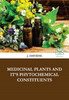
580-13.1_Medicinal_Plants_and_It_s_Phytochemical_Constituents.jpgImage JpegTechniques of Plant Pathology

PermalinkPermalink