Détail de l'auteur
Auteur Hopkins Salvatore |
Documents disponibles écrits par cet auteur (1)


 Affiner la recherche Interroger des sources externes
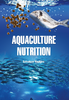
Titre : Aquaculture Nutrition Type de document : texte imprimé Auteurs : Hopkins Salvatore, Auteur Editeur : ETP (ED - TECH PRESS) Année de publication : 2025 Importance : 261 pages Format : 18 x 26 pages ISBN/ISSN/EAN : 978-1-83535-995-2 Note générale : Sommaire:
chapter1: introduction.
chapter2: aquaculture energy.
chapter3: lipids in teleost fish species.
chapter4: protein structure.
chapter5: feed formulation and balance of nutrients.
chapter6: amino acids.
chapter7: health management in fisheries and aquacuture.
chapter8:fish diseases and pests.
chapter9: fish nutrition facts. bibliography. index.Langues : Anglais (eng) Catégories : En aquarium Mots-clés : Aquaculture Aquarium water chemical pollutant lipids fatty acids fish Index. décimale : 639 - En aquarium Résumé : Aquaculture, a key part of the global food system, balances between farmed and wild aquatic foods. Despite its rapid growth, the industry faces challenges such as protein source shortages in feed, pathogen susceptibility, and quality deterioration during culture and storage. Bacterial biomass offers a protein source for feed and helps protect against infections and spoilage. Over the past fifty years, aquaculturists have developed innovative technologies to enhance farming operations. As new production methods and species emerge, supporting engineering solutions will evolve. Measuring energy use across aquaculture activities helps identify inefficiencies and potential savings. The primary energy sources for aquaculture are solar radiation and fossil fuels, with no system relying solely on solar energy. This book provides a comprehensive review of fish nutrition, valuable for industry professionals and fish feed manufacturers. Aquaculture Nutrition [texte imprimé] / Hopkins Salvatore, Auteur . - ETP (ED - TECH PRESS), 2025 . - 261 pages ; 18 x 26 pages.
ISBN : 978-1-83535-995-2
Sommaire:
chapter1: introduction.
chapter2: aquaculture energy.
chapter3: lipids in teleost fish species.
chapter4: protein structure.
chapter5: feed formulation and balance of nutrients.
chapter6: amino acids.
chapter7: health management in fisheries and aquacuture.
chapter8:fish diseases and pests.
chapter9: fish nutrition facts. bibliography. index.
Langues : Anglais (eng)
Catégories : En aquarium Mots-clés : Aquaculture Aquarium water chemical pollutant lipids fatty acids fish Index. décimale : 639 - En aquarium Résumé : Aquaculture, a key part of the global food system, balances between farmed and wild aquatic foods. Despite its rapid growth, the industry faces challenges such as protein source shortages in feed, pathogen susceptibility, and quality deterioration during culture and storage. Bacterial biomass offers a protein source for feed and helps protect against infections and spoilage. Over the past fifty years, aquaculturists have developed innovative technologies to enhance farming operations. As new production methods and species emerge, supporting engineering solutions will evolve. Measuring energy use across aquaculture activities helps identify inefficiencies and potential savings. The primary energy sources for aquaculture are solar radiation and fossil fuels, with no system relying solely on solar energy. This book provides a comprehensive review of fish nutrition, valuable for industry professionals and fish feed manufacturers. Réservation
Réserver ce document
Exemplaires(1)
Code-barres Cote Support Localisation Section Disponibilité 639-08.1 639-08.1 Livre Bibliothèque FSNV Documentaires Disponible Documents numériques
Aquaculture_Nutrition_639-08.1.jpgImage Jpeg