Détail de l'auteur
Auteur Norman D. |
Documents disponibles écrits par cet auteur (1)


 Affiner la recherche Interroger des sources externes
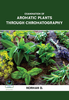
Titre : Examination of Aromatic Plants through Chromatography Type de document : texte imprimé Auteurs : Norman D., Auteur Editeur : ETP (ED - TECH PRESS) Année de publication : 2025 Importance : 268 pages Format : 19 x 27 cm ISBN/ISSN/EAN : 978-1-83535-246-5 Note générale : Table of Contents
Preface .................... ix
Chapter 1: An Introduction to Aromatic Plants 1
• Classification of Aromatherapy ....... 2
• Some Plants used in Aromatherapy . 3
• Essential Oil Safety Issue ............... 8
• Aromatherapy and Traditional Aromatic Plant Medicine in Peru .................. 13
• Steam Distillation of Essential Oils .. 22
• Botany and Aromatherapy .............. 27
• Market Demand of Microbial Based Perfumes and Fragrances ...................... 29
• Microbial Production of Aroma and Fragrance through Solid State Fermentation (SSF) .... 39
Chapter 2: Chromatography: The Laboratory Purification Methods ... 41
• Introduction ........... 41
• History of Chromatography ............ 44
• Chromatographic Methods ............ 47
• Gas Chromatography ..................... 53
• GC Detectors ........ 59
• High Performance Liquid Chromatography ................. 64
• HPLC Instrumentation ................... 66
• HPLC Detectors ... 69
• Ion Chromatography ...................... 71
• Supercritical Fluid Chromatography . 73
• Applications of Chromatography in Environmental Analysis ....................... 75
• Ion-Exchange Chromatography ...... 75
• Gas Chromatography in Instrumentation .................. 78
Chapter 3: Cultivation of Aromatic Plants ....... 84
• Medicinal and Aromatic Plants in Agroforestry ........... 84
• The Cultivation of Medicinal Plants in Agroforestry Systems ......................... 90
• Medicinal Plants and Aromatic Plants ....................... 93
• Patchouli Agrotechnology ............... 99
• Hemidesmus Indicus ..................... 103
• Ornamental Nursery ...................... 105
• Plant Nursery ....... 112
Chapter 4: Basic Theory of Separation in Chromatography ........... 122
• Introductory Theory ....................... 123
• High Performance Liquid Chromatography (HPLC) .... 127
• Paper Chromatography ................... 129
• Separation Theory ........................ 132
• Column Efficiency Calculation ....... 138
• Liquid Chromatography (LC) ......... 140
• High-performance Liquid Chromatography .............. 141
• High Performance Liquid Chromatography (HPLC): Principle, Types, Instrumentation and Applications ...... 157
• Gas Chromatography ..................... 159
Chapter 5: Chromatography for the Analysis of Medicinal Plants .. 164
• Thin-layer Chromatography ............ 164
• Preparation of the Herbal Materials 172
• Plant Materials .... 177
• Herbal Preparations ...................... 182
• Herbal Drugs Chromatographic Fingerprinting ........... 185
• Description of Medicinal Plants ...... 188
Chapter 6: Role of Process Simulation to Extraction Technologies for Medicinal and Aromatic Plants ........... 194
• Introduction ........... 194
• Scanning Electron Microscopy (SEM) Analysis ........ 197
• Using Aromatherapy in your Life ... 198
• Simulated Growth of Plants ............ 201
• Plant Simulation . 202
• Vertical Farming . 205
Chapter 7: Flash and Low Pressure Chromatographic Techniques for Separation of Phytomolecules in Aromatic plants ......... 214
• Introduction ........... 214
• Flash Chromatography: Area and Applications ........... 221
• Column Chromatography ............... 224
• Phytochemical ...... 230
• Phenolic Extraction ...................... 233
• Chromatographic Techniques for Fingerprint Analysis of Herbal Medicines ... 243
• High-Performance Liquid Chromatography .............. 247
• Liquid Chromatography–Mass spectrometry .............. 253
Bibliography .......... 262
Index ....................... 266Langues : Anglais (eng) Catégories : Plantes. Botanique Mots-clés : Aromatic Plants Medicinal Plants Aromatherapy & Essential Oils Phytomolecules & Phytochemicals Herbal Medicine & Preparations Patchouli & Hemidesmus Indicus Gas Chromatography (GC) High Performance Liquid Chromatography (HPLC) Thin-layer Chromatography (TLC) Column & Flash Chromatography Liquid Chromatography–Mass Spectrometry (LC-MS) Ion & Supercritical Fluid Chromatography Chromatographic Fingerprinting Steam Distillation Phenolic Extraction Solid State Fermentation (SSF) Agroforestry & Plant Cultivation Process Simulation & Vertical Farming Scanning Electron Microscopy (SEM) Index. décimale : 580 - Plantes. Botanique Résumé : Description
The examination of secondary compounds, minor plant components that are dispersed very unevenly, is one of the main applications of the analytical methods used for medicinal and aromatic plants. Therefore, proper sample preparation and analyte separation are the primary analytical issues that occur. Chromatography is a method used in laboratories to separate mixtures. The combination passes through a structure containing another substance known as the stationary phase after being dissolved in a fluid known as the mobile phase. The components of the mixture separate because they move at different rates. Based on differential partitioning between the mobile and stationary phases, the separation is achieved. Due to their antioxidant properties and ability to replace added salt in foods, aromatic herbs may help to promote human health. One of the main groups responsible for the beneficial effects of aromatic plants, such as the protection of cancer, cardiovascular, and neurological illnesses, are phenolic chemicals. For analysts, quality assurance specialists, and regulators looking for a thorough instruction on how to utilise HPTLC to verify whether botanicals adhere with current, good manufacturing practises, this book is crucial.Examination of Aromatic Plants through Chromatography [texte imprimé] / Norman D., Auteur . - ETP (ED - TECH PRESS), 2025 . - 268 pages ; 19 x 27 cm.
ISBN : 978-1-83535-246-5
Table of Contents
Preface .................... ix
Chapter 1: An Introduction to Aromatic Plants 1
• Classification of Aromatherapy ....... 2
• Some Plants used in Aromatherapy . 3
• Essential Oil Safety Issue ............... 8
• Aromatherapy and Traditional Aromatic Plant Medicine in Peru .................. 13
• Steam Distillation of Essential Oils .. 22
• Botany and Aromatherapy .............. 27
• Market Demand of Microbial Based Perfumes and Fragrances ...................... 29
• Microbial Production of Aroma and Fragrance through Solid State Fermentation (SSF) .... 39
Chapter 2: Chromatography: The Laboratory Purification Methods ... 41
• Introduction ........... 41
• History of Chromatography ............ 44
• Chromatographic Methods ............ 47
• Gas Chromatography ..................... 53
• GC Detectors ........ 59
• High Performance Liquid Chromatography ................. 64
• HPLC Instrumentation ................... 66
• HPLC Detectors ... 69
• Ion Chromatography ...................... 71
• Supercritical Fluid Chromatography . 73
• Applications of Chromatography in Environmental Analysis ....................... 75
• Ion-Exchange Chromatography ...... 75
• Gas Chromatography in Instrumentation .................. 78
Chapter 3: Cultivation of Aromatic Plants ....... 84
• Medicinal and Aromatic Plants in Agroforestry ........... 84
• The Cultivation of Medicinal Plants in Agroforestry Systems ......................... 90
• Medicinal Plants and Aromatic Plants ....................... 93
• Patchouli Agrotechnology ............... 99
• Hemidesmus Indicus ..................... 103
• Ornamental Nursery ...................... 105
• Plant Nursery ....... 112
Chapter 4: Basic Theory of Separation in Chromatography ........... 122
• Introductory Theory ....................... 123
• High Performance Liquid Chromatography (HPLC) .... 127
• Paper Chromatography ................... 129
• Separation Theory ........................ 132
• Column Efficiency Calculation ....... 138
• Liquid Chromatography (LC) ......... 140
• High-performance Liquid Chromatography .............. 141
• High Performance Liquid Chromatography (HPLC): Principle, Types, Instrumentation and Applications ...... 157
• Gas Chromatography ..................... 159
Chapter 5: Chromatography for the Analysis of Medicinal Plants .. 164
• Thin-layer Chromatography ............ 164
• Preparation of the Herbal Materials 172
• Plant Materials .... 177
• Herbal Preparations ...................... 182
• Herbal Drugs Chromatographic Fingerprinting ........... 185
• Description of Medicinal Plants ...... 188
Chapter 6: Role of Process Simulation to Extraction Technologies for Medicinal and Aromatic Plants ........... 194
• Introduction ........... 194
• Scanning Electron Microscopy (SEM) Analysis ........ 197
• Using Aromatherapy in your Life ... 198
• Simulated Growth of Plants ............ 201
• Plant Simulation . 202
• Vertical Farming . 205
Chapter 7: Flash and Low Pressure Chromatographic Techniques for Separation of Phytomolecules in Aromatic plants ......... 214
• Introduction ........... 214
• Flash Chromatography: Area and Applications ........... 221
• Column Chromatography ............... 224
• Phytochemical ...... 230
• Phenolic Extraction ...................... 233
• Chromatographic Techniques for Fingerprint Analysis of Herbal Medicines ... 243
• High-Performance Liquid Chromatography .............. 247
• Liquid Chromatography–Mass spectrometry .............. 253
Bibliography .......... 262
Index ....................... 266
Langues : Anglais (eng)
Catégories : Plantes. Botanique Mots-clés : Aromatic Plants Medicinal Plants Aromatherapy & Essential Oils Phytomolecules & Phytochemicals Herbal Medicine & Preparations Patchouli & Hemidesmus Indicus Gas Chromatography (GC) High Performance Liquid Chromatography (HPLC) Thin-layer Chromatography (TLC) Column & Flash Chromatography Liquid Chromatography–Mass Spectrometry (LC-MS) Ion & Supercritical Fluid Chromatography Chromatographic Fingerprinting Steam Distillation Phenolic Extraction Solid State Fermentation (SSF) Agroforestry & Plant Cultivation Process Simulation & Vertical Farming Scanning Electron Microscopy (SEM) Index. décimale : 580 - Plantes. Botanique Résumé : Description
The examination of secondary compounds, minor plant components that are dispersed very unevenly, is one of the main applications of the analytical methods used for medicinal and aromatic plants. Therefore, proper sample preparation and analyte separation are the primary analytical issues that occur. Chromatography is a method used in laboratories to separate mixtures. The combination passes through a structure containing another substance known as the stationary phase after being dissolved in a fluid known as the mobile phase. The components of the mixture separate because they move at different rates. Based on differential partitioning between the mobile and stationary phases, the separation is achieved. Due to their antioxidant properties and ability to replace added salt in foods, aromatic herbs may help to promote human health. One of the main groups responsible for the beneficial effects of aromatic plants, such as the protection of cancer, cardiovascular, and neurological illnesses, are phenolic chemicals. For analysts, quality assurance specialists, and regulators looking for a thorough instruction on how to utilise HPTLC to verify whether botanicals adhere with current, good manufacturing practises, this book is crucial.Réservation
Réserver ce document
Exemplaires(1)
Code-barres Cote Support Localisation Section Disponibilité 580-11.1 580-11.1 Livre Bibliothèque FSNV Documentaires Disponible Documents numériques
580-11.01_Examination_of_Aromatic_Plants_through_Chromatography.jpgImage Jpeg