Détail de l'auteur
Auteur Nipam H. Patel |
Documents disponibles écrits par cet auteur (1)


 Affiner la recherche Interroger des sources externes
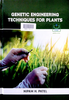
Titre : Genetic Engineering Techniques for Plants Type de document : texte imprimé Auteurs : Nipam H. Patel, Auteur Editeur : ETP (ED - TECH PRESS) Année de publication : 2025 Importance : 291 pages Format : 19 x 27 cm ISBN/ISSN/EAN : 978-1-83535-243-4 Note générale : Table of Contents
Preface ........... vii
Chapter 1: Genetic Engineering Techniques: An Overview ............ 1
• History ...... 2
• Choosing Target Genes ............ 17
• Gene Manipulation ... 18
• Inserting DNA into the Host Genome ............ 20
• Gene Targeting ........ 24
Chapter 2: Genetic Variation .... 27
• Among Individuals within A Population .......... 29
• Types of Questions, Markers, and Marker Assays ......... 30
• Guidelines for Selecting Marker Assays ........ 43
• Future Dimensions of Genetic Analysis ....... 46
• Technology Transfer from the Human Genome Project ……. 47
• Present Limitations on Describing Plant Genetic Variation with Molecular Tools …... 49
• Thoughts on the Future ............ 50
Chapter 3: Plant Genetic Resources ..... 51
• Introduction ……. 51
• Plant Genetic Resources Activities …... 64
• Biotechnology and Plant Genetic Resources Conservation 77
Chapter 4: Applications of Quantitative Genetic Theory in Plant Breeding .. 92
• Prediction of the Response to Selection ....... 92
• The Estimation of Quantitative Genetic Parameters ....... 102
• Population Genetic and Quantitative Genetic Effects of Selection Based on Progeny Testing ....... 106
Chapter 5: Transformation of Gene ..... 127
• Introduction .. 127
• History ....... 128
• Definitions ……. 129
• Natural Competence and Transformation ....... 129
• Methods and Mechanisms of Transformation in Laboratory .......... 132
• Practical Aspects of Transformation in Molecular Biology ............ 135
• DNA Transformation . 136
• Bacterial Transformation and Selection ........ 157
• Agrobacterium-Mediated Plant Transformation: The Biology behind the "Gene-Jockeying" Tool ............ 161
• The Mutational Consequences of Plant Transformation ….. 188
• Gene Transfer Methods Applicable to Agricultural Organisms ........ 196
• Methods and Mechanisms for Genetic Manipulation of Plants ....... 222
Chapter 6: Plant Breeding .... 230
• Aim of Plant Breeding 230
• Methods in Plant Breeding ........ 241
• Technique of Cross-breeding .... 251
• Hybriding Plants ......... 260
• Polyploid Breeding .... 276
• Micro-organisms ....... 283
Bibliography ….. 286
Index …289Langues : Anglais (eng) Catégories : Plantes. Botanique Mots-clés : Genetic Engineering & Transformation Genetic Engineering Techniques Gene Manipulation & Targeting DNA Transformation Agrobacterium-Mediated Transformation Gene Transfer Methods Genetic Variation & Resources Genetic Variation & Analysis Molecular Tools & Markers Plant Genetic Resources Conservation Human Genome Project Technology Transfer Plant Breeding & Quantitative Genetics Plant Breeding Methods Quantitative Genetic Theory Cross-breeding & Hybrids Polyploid Breeding Progeny Testing & Selection Index. décimale : 580 - Plantes. Botanique Résumé : Description
Plant genetics has become a fascinating field of study because it has made it possible to manipulate plants' biological systems in ways that have never been possible before. Plant genetics has been used extensively to expand crop fields, enhance crop quality, and lower production costs. New gene combinations with novel properties, including as resistance to pests, diseases, and herbicides, are created by the new transgenic procedures. These transgenic agricultural plants hold significant potential for the future of global agriculture since it is now feasible to create plants that offer components for healthier nutrition, thrive in adverse environments, or create compounds that would otherwise be created through a difficult chemical procedure. An overview of the quickly evolving area of plant genetics and its applications is given in this book. The work has been written in straightforward language to make it simple to understand the intricate concepts of plant genetics. It not only provides the reader with a comprehensive understanding of genetics as a whole, but is also tailored to meet the needs of students studying botany and other related subjects. The book can be used as a reference by researchers and post-doctoral students, university professors, and instructors. It is particularly meant for undergraduates and postgraduates in biology, botany, and biotechnology.Genetic Engineering Techniques for Plants [texte imprimé] / Nipam H. Patel, Auteur . - ETP (ED - TECH PRESS), 2025 . - 291 pages ; 19 x 27 cm.
ISBN : 978-1-83535-243-4
Table of Contents
Preface ........... vii
Chapter 1: Genetic Engineering Techniques: An Overview ............ 1
• History ...... 2
• Choosing Target Genes ............ 17
• Gene Manipulation ... 18
• Inserting DNA into the Host Genome ............ 20
• Gene Targeting ........ 24
Chapter 2: Genetic Variation .... 27
• Among Individuals within A Population .......... 29
• Types of Questions, Markers, and Marker Assays ......... 30
• Guidelines for Selecting Marker Assays ........ 43
• Future Dimensions of Genetic Analysis ....... 46
• Technology Transfer from the Human Genome Project ……. 47
• Present Limitations on Describing Plant Genetic Variation with Molecular Tools …... 49
• Thoughts on the Future ............ 50
Chapter 3: Plant Genetic Resources ..... 51
• Introduction ……. 51
• Plant Genetic Resources Activities …... 64
• Biotechnology and Plant Genetic Resources Conservation 77
Chapter 4: Applications of Quantitative Genetic Theory in Plant Breeding .. 92
• Prediction of the Response to Selection ....... 92
• The Estimation of Quantitative Genetic Parameters ....... 102
• Population Genetic and Quantitative Genetic Effects of Selection Based on Progeny Testing ....... 106
Chapter 5: Transformation of Gene ..... 127
• Introduction .. 127
• History ....... 128
• Definitions ……. 129
• Natural Competence and Transformation ....... 129
• Methods and Mechanisms of Transformation in Laboratory .......... 132
• Practical Aspects of Transformation in Molecular Biology ............ 135
• DNA Transformation . 136
• Bacterial Transformation and Selection ........ 157
• Agrobacterium-Mediated Plant Transformation: The Biology behind the "Gene-Jockeying" Tool ............ 161
• The Mutational Consequences of Plant Transformation ….. 188
• Gene Transfer Methods Applicable to Agricultural Organisms ........ 196
• Methods and Mechanisms for Genetic Manipulation of Plants ....... 222
Chapter 6: Plant Breeding .... 230
• Aim of Plant Breeding 230
• Methods in Plant Breeding ........ 241
• Technique of Cross-breeding .... 251
• Hybriding Plants ......... 260
• Polyploid Breeding .... 276
• Micro-organisms ....... 283
Bibliography ….. 286
Index …289
Langues : Anglais (eng)
Catégories : Plantes. Botanique Mots-clés : Genetic Engineering & Transformation Genetic Engineering Techniques Gene Manipulation & Targeting DNA Transformation Agrobacterium-Mediated Transformation Gene Transfer Methods Genetic Variation & Resources Genetic Variation & Analysis Molecular Tools & Markers Plant Genetic Resources Conservation Human Genome Project Technology Transfer Plant Breeding & Quantitative Genetics Plant Breeding Methods Quantitative Genetic Theory Cross-breeding & Hybrids Polyploid Breeding Progeny Testing & Selection Index. décimale : 580 - Plantes. Botanique Résumé : Description
Plant genetics has become a fascinating field of study because it has made it possible to manipulate plants' biological systems in ways that have never been possible before. Plant genetics has been used extensively to expand crop fields, enhance crop quality, and lower production costs. New gene combinations with novel properties, including as resistance to pests, diseases, and herbicides, are created by the new transgenic procedures. These transgenic agricultural plants hold significant potential for the future of global agriculture since it is now feasible to create plants that offer components for healthier nutrition, thrive in adverse environments, or create compounds that would otherwise be created through a difficult chemical procedure. An overview of the quickly evolving area of plant genetics and its applications is given in this book. The work has been written in straightforward language to make it simple to understand the intricate concepts of plant genetics. It not only provides the reader with a comprehensive understanding of genetics as a whole, but is also tailored to meet the needs of students studying botany and other related subjects. The book can be used as a reference by researchers and post-doctoral students, university professors, and instructors. It is particularly meant for undergraduates and postgraduates in biology, botany, and biotechnology.Réservation
Réserver ce document
Exemplaires(1)
Code-barres Cote Support Localisation Section Disponibilité 580-12.1 580-12.1 Livre Bibliothèque FSNV Documentaires Disponible Documents numériques
580-12.1_Genetic_Engineering_Techniques_for_Plants.jpgImage Jpeg